[There are small spoilers.]
One of the things I've done since Leeds is catch up a little with friends I haven't seen for a month or more. So the other day, a few of us went to see Captain America. As a superhero film, I have to say, it was one of the better ones I've seen -- at least for a Marvel-based film. It was exciting, the script and acting were really good, the casting was great... and it was surprisingly not jingoistic. I think it escaped it by being mostly set during the Second World War, and by having a villain who was a breakaway from Hitler's special arcane & tech forces unit. I loved the odd sort of nostalgia, and the way that Captain America was clearly part of the war effort, but in a 'real guy embodying an emblem' sort of way.
There were really weird moments, though. Weird because, while the evocations of the period often felt real (inasmuch as comics can evoke historical feelings), there was just stuff that was wrong. Once Cap is in Europe, united with the 107th, he's got a multicultural band of brothers. I realize that there are lots of things in the film that aren't real, duh -- secret powers of the Aesir? References to Raiders of the Lost Ark? But when I saw the African-American GI, my initial thought was, "but aren't you supposed to be in a segregated unit? or a cook?" And when the Asian (presumably Japanese) guy says,"Hey, I'm from Fresno!" How could I not think, "Dude, then you'd be in Manzanar or the 442nd!" Better writers on race in America have already commented on this, and how it helps to erase the Civil Rights Movement, so I'm not going there. Yet?
Then last night, I was watching Luther, a BBC crime drama with the amazing Idris Elba. It's good, gritty, and dark. And one of the episodes I watched concerned a white guy who may or may not have been racially motivated. There was a scene where the killer, a skinny white man who was clearly into RPG stuff, went into a shop run by a South Asian man. He blatantly stuffed his bag from the shelves, watching the shopkeeper watch him and do nothing. And it made me think of all the astoundingly offensive and insane commentary surrounding Breivik, the mass murderer in Norway (short roundup here, because I will not link to assholes at Fox), whose ideas of jihad-by-migration have also been defended (although not linked to Breivik there at all) on an academic listserv I read and in fact more directly on that scholar's own blog. No, I'm not linking there, either. This came at a time where yet again, a bunch of misogynist comments were made, and then dismissed by senior male scholars when women complained about them.
The one thing that comes to mind over and over again is how scared and threatened a very large segment of the population must be. Where does this phenomenon of the scared white guy come from? Because that's what it is, isn't it? Beck, O'Reilly, Limbaugh, and all the people who buy into their fear and hatred, and want to channel it back into attacking women and people of other races (and I don't really believe Islamophobia is as much about religion as it is about race -- Sharia law supports a lot of the sorts of positions Michelle Bachman does, after all...) -- how does that work? How is it that, when we look at who truly has power in Western society, we can see that it's mostly plutocratic power, and those who hold it are primarily white and primarily male. Actually, that should be reversed. Male and white. Male is still the biggest conveyer of privilege. In the West, white and straight and Christian are also up there. And yes, there are going to be trade-offs, and within certain communities, the balance will be different. A senior colleague and friend pointed out to me that one of the people who irritates me most on the list serv because he seems so entirely unable to recognize his male privilege, or even his academic privilege, probably can't see it that way because his self-perception is based on being a Jew and being held back by those with white privilege.
But back to the fear: why is it that we live in a world where there is a perception that power is a zero-sum game, and if it is shared, i.e., if we actually live in a world where people of color, people of other religions, people with other sexualities -- and, by the way, women -- share in the running of that world, it means something bad for white guys who think of themselves as Christian? And why is it that the people who fear (because I think we need to include the partners and families of these scared white men -- there are lots of women in the Tea Party, after all) cannot see that they have far more in common with the rest of us folks who live from paycheck to paycheck in multicultural land than they do with the people running things and asking us to pay the bills?
I expect in some ways it all comes down to entitlement, and not the good sort provided by the NHS, or Social Security. If you're used to privilege, and that privilege seems threatened, then all you have to fall back on is a feeling of entitlement. And if power is not a zero-sum game, then privilege kind of is. At least, once privilege -- something that is grounded only by means of historically having power without thinking about where it comes from -- is challenged, then people have to compete for the same jobs, places at university, etc. In fact, a level playing field doesn't feel all that level when it means you don't have the up-hill advantage. When you've never had to share, even giving away a small portion can feel like a huge loss. Being accustomed to privilege, especially the unrecognized kind, leads to feelings of entitlement that don't hold water for me. And I guess entitlement means not having to be scared, or think about one's own responsibilities to others. So a world in which a token African-American or Nisei soldier helps to show that, hey, we've always got along together just fine is a world that says, "see? you don't have to think about reality or question your privilege." It's a world where you don't have to be scared white men.
Of course, lots of us already live in a world where you don't have to be scared white men. It's full of interesting people with different ideas about life and nature and how the world works, and conversations that include bits of different languages, and really, a lot better food. And you know? the doors aren't always wide open, because sometimes assholes with guns show up. But if you are willing to live here with the rest of us, it's a pretty nice place.
Showing posts with label life. Show all posts
Showing posts with label life. Show all posts
Saturday, July 30, 2011

Thursday, July 28, 2011
This year, I remembered my bloggiversary: Blogenspiel is NINE!
Yep, it's nine years old.
Ok, really it's a little less, since I didn't start blogging in earnest for a couple of months, but still, NINE!
A lot has changed, a lot has stayed the same. I have gone from being a married person who had stopped working in academia and trying to get back in to a divorced person with a fairly secure (I think) academic position on the other side of the country and a house of my own. I met someone and fell in love, and that didn't work out so well, and the breakup (even though it turns out neither of us have completely moved on, but there is no possible 'back together', either) just about broke me. Didn't blog much about that one, though. Went through another year I didn't blog much about, last year, because once I'd recovered from the personal crisis, I landed in a professional one that is still trying to break me. I am torn between 80% of being in a job in a place I love, where I want to be, and 20% of Giant Black Hole of Dread when I think about actually going in to work, because they don't give you a kevlar vest with quasi-tenure. This year's goal is to reduce the 20% and, more importantly, not to allow it to ruin the 80% or the steps forward I've been making in writing and teaching cool new stuff.
That, and I need to get in better shape and pay off some bills :-)
Other things that have changed:
I've kept a lot of my old blogfriends, and they have become RL friends as well. But some, like New Kid, have changed careers. I've made new friends through blogging, and those friends have been as instrumental as the old ones in helping me see myself as a competent person who actually has a place at the academic table. The only disadvantage is that, as I manage to be a better scholar, I seem to have less time to read blogs, and feel I've lost touch with some of you, and that makes me sad. With any luck, the getting in better shape will also mean more energy to arrange my days better and to faff a bit less. I know that I want to write more on the blog in the coming year, because it really does keep me in practice.
Things that have not changed:
I am still horrified by some of my colleagues and their attitudes towards academia, their inability to recognize their privilege, and sometimes their completely insane hate-mongering.
I am still horrified by the governments of the US and UK, and their attitudes towards higher ed, the thrall in which corporate interests hold them, and the new ways they find to sell us out every day.
I still detest everything Murdoch and, although I do not wish it, I would not weep if I heard that Palin, Bachman, Cantor, Beck, Limbaugh, Buchanan, and others of that ilk were killed by buses, polar bears, or (and this would be a sort of justice) a failure of the infrastructure they have worked so hard to destroy.
I also have no great love for the centrists of the supposed left, and in some ways think they are worse.
I will still be blogging about academic life things, even if talking about my own is too difficult at the moment -- and this is also because of a change that has occurred, i.e., I'm far more pseudonymous than anonymous these days, and I don't want people trying to figure out which RL people I may or may not be talking about.
So... in the next few days, I hope to be posting about strategies for keeping up with scholarly stuff while dealing with a heavy teaching and service load; William Pannapacker's latest iteration of what's wrong with higher ed; a long overdue review of a slightly erotic novella written by a colleague and other medievalist; faculty buy-in... and some stuff I can't remember because it's hot here in Dabbaville, and I can't sleep in the hot.
In the meantime, here is a picture from my summer:

Ok, really it's a little less, since I didn't start blogging in earnest for a couple of months, but still, NINE!
A lot has changed, a lot has stayed the same. I have gone from being a married person who had stopped working in academia and trying to get back in to a divorced person with a fairly secure (I think) academic position on the other side of the country and a house of my own. I met someone and fell in love, and that didn't work out so well, and the breakup (even though it turns out neither of us have completely moved on, but there is no possible 'back together', either) just about broke me. Didn't blog much about that one, though. Went through another year I didn't blog much about, last year, because once I'd recovered from the personal crisis, I landed in a professional one that is still trying to break me. I am torn between 80% of being in a job in a place I love, where I want to be, and 20% of Giant Black Hole of Dread when I think about actually going in to work, because they don't give you a kevlar vest with quasi-tenure. This year's goal is to reduce the 20% and, more importantly, not to allow it to ruin the 80% or the steps forward I've been making in writing and teaching cool new stuff.
That, and I need to get in better shape and pay off some bills :-)
Other things that have changed:
I've kept a lot of my old blogfriends, and they have become RL friends as well. But some, like New Kid, have changed careers. I've made new friends through blogging, and those friends have been as instrumental as the old ones in helping me see myself as a competent person who actually has a place at the academic table. The only disadvantage is that, as I manage to be a better scholar, I seem to have less time to read blogs, and feel I've lost touch with some of you, and that makes me sad. With any luck, the getting in better shape will also mean more energy to arrange my days better and to faff a bit less. I know that I want to write more on the blog in the coming year, because it really does keep me in practice.
Things that have not changed:
I am still horrified by some of my colleagues and their attitudes towards academia, their inability to recognize their privilege, and sometimes their completely insane hate-mongering.
I am still horrified by the governments of the US and UK, and their attitudes towards higher ed, the thrall in which corporate interests hold them, and the new ways they find to sell us out every day.
I still detest everything Murdoch and, although I do not wish it, I would not weep if I heard that Palin, Bachman, Cantor, Beck, Limbaugh, Buchanan, and others of that ilk were killed by buses, polar bears, or (and this would be a sort of justice) a failure of the infrastructure they have worked so hard to destroy.
I also have no great love for the centrists of the supposed left, and in some ways think they are worse.
I will still be blogging about academic life things, even if talking about my own is too difficult at the moment -- and this is also because of a change that has occurred, i.e., I'm far more pseudonymous than anonymous these days, and I don't want people trying to figure out which RL people I may or may not be talking about.
So... in the next few days, I hope to be posting about strategies for keeping up with scholarly stuff while dealing with a heavy teaching and service load; William Pannapacker's latest iteration of what's wrong with higher ed; a long overdue review of a slightly erotic novella written by a colleague and other medievalist; faculty buy-in... and some stuff I can't remember because it's hot here in Dabbaville, and I can't sleep in the hot.
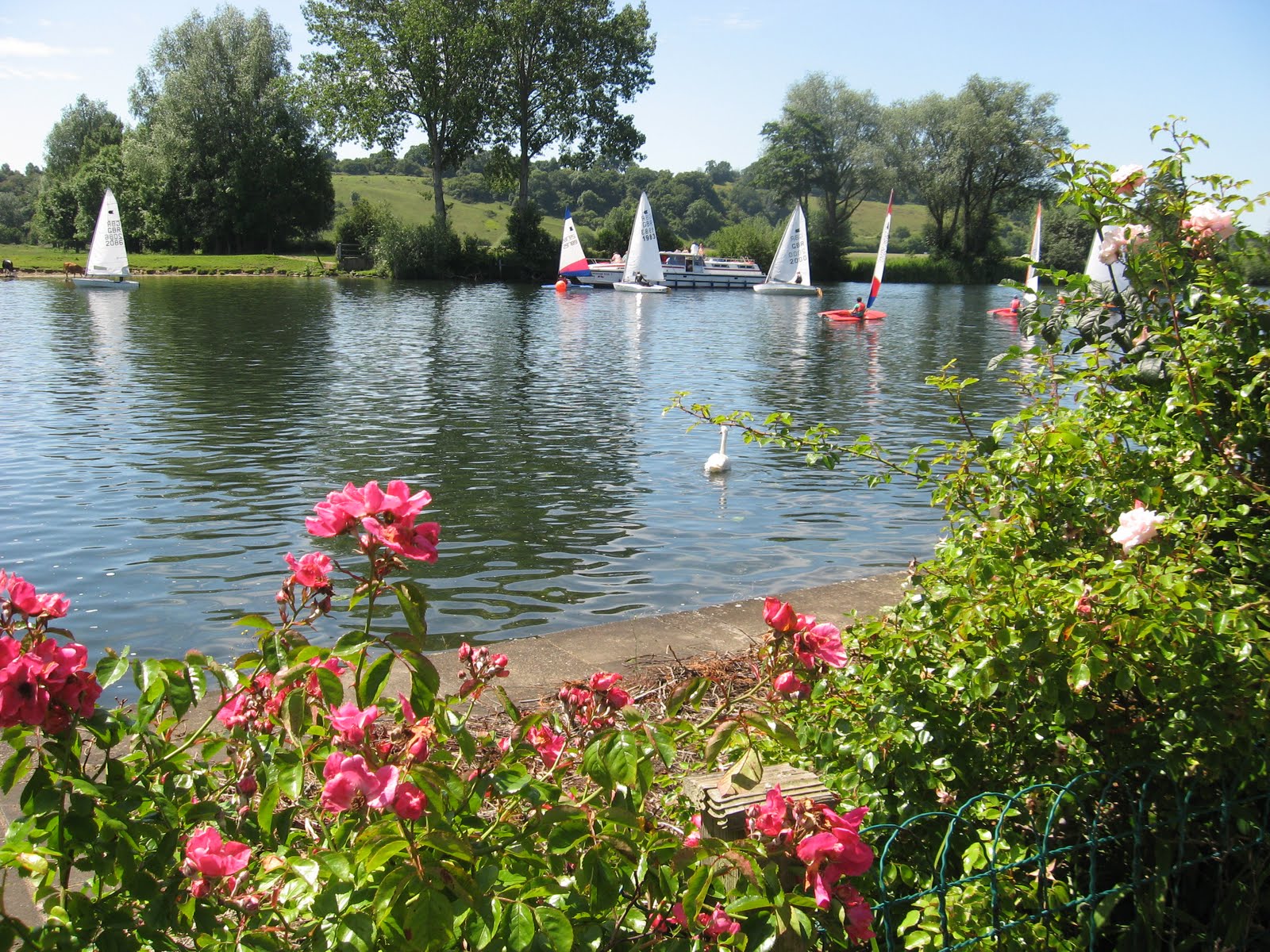
In the meantime, here is a picture from my summer:
Wednesday, March 16, 2011
Monday, November 15, 2010
NaBloPoMo 15 -- halfway done
NaBloPoMo 15 -- halfway done
You know, I haven't posted about X in a while. But you know, he is the best proof in the world that sometimes recognizing a bad marriage, or bad compatibility for marriage, is a good thing. We are so much better as friends than we were as spouses. I appreciate him far more as a friend, and he seems to notice far more about my moods than he did as a husband. I'm sorry it didn't work out, but very glad and very thankful that we still have a relationship that is well worth having. I'm also glad that he has a very cool fiance who likes me :-)
Sometimes, life can work out for the best.
All of this is to say that it is good when we are reminded of the things that *are* good in life.
I had two of those moments today, which was a completely depressing and infuriating day in several other ways. I left class disheartened because my students Just. Did. Not. Get. It. In a way that I could not have anticipated.
I mentioned this to a sort-of colleague I met on the staircase (sort-of, because he's another academic, a Political Scientist, but he doesn't teach at SLAC. He's the President's husband who sometimes works on campus). Anyway, I mentioned the thing -- the students really did not get that the Pact of Umar was not something everybody agreed to so that people of different religions could live together in respect and peace, even though they knew it was imposed on Christians after a conquest!.
And he said something that helped to crystallize the issue for me: "They don't understand power."
And so much fell into place for me. I really need to change some of my teaching, especially in those classes where I can because the outcomes are things like "gain multiple perspectives and demonstrate global awareness." It may just be a good idea to start off the class with a set of theoretical propositions and explanations. What happens in pre-20th C wars? What is slavery, really? How do different cultures define race and ethnicity?
hmmmm
Friday, November 12, 2010
NaBloPoMo 2010 -12 -- migraines
NaBloPoMo 2010 -12 -- migraines
This is not my typical post. It's not about teaching or history or anything else like that. It is instead all about me. I'm blogging it because honestly, when you only have your own body to compare with, it's hard to know what is normal. So I suppose I might be some freak of nature and you will all run screaming the next time you see me. But probably not.
This odd thing happened to me at the therapist's the other day. She suggested that my brain sounded like it had some form of ADHD, but then retracted that when I pointed out that I can totally concentrate, sometimes almost obsessively, on one thing for literally hours on end, once I'm stuck in. This is so true that I can actually forget to drink or eat. But most of the time, my brain is spinning. I can feel myself trying to shove things aside till I'm in something like 'the zone.' I am not so much able to live in the moment, because there is always so much happening. My students have been known to tease me because I can be writing on the board and talking and, mid-sentence, tell a student to stop texting or sim, and then go back to the same idea. Or I can be mid-sentence and have an image flashing through my mind that takes me horribly off course, and sometime after a digression into why they should all see Casablanca or read the Bible, wend my way back to the topic we were discussing. It's less like being a butterfly than having a magpie in control... "Ooh! Shiny!" or like the dog in Up: "Squirrel!"
What does this have to do with migraines?
Well, I have them. They come in many flavors: the kind with kalleidoscopic vision and bright colors; the kind that feels like someone took a rubber mallet and hit the side of my head; the kind that feels like my head's in a vise... any or all of these can be accompanied by extreme pain and nausea, although fortunately as I get older, it's more nausea and nagging pain that drugs can dull to where it's bearable.
But there's another thing to my migraines. When I get them, I become incredibly sensitive. I've noticed it before, obviously -- these things have been plaguing me for 20 years. But this morning, as I lay in bed, not able to work because I couldn't see and sort of wanted to throw up, I realized that my migraines are like exaggerated versions of what my brain is always doing. Migraine brain is freaky, because so many things are going on, and it's like I can see them close up. My eyes are closed, but there are still the flashy lights of the aura. There are so many things happening -- there's the garbage truck coming down the street, and the signal at the next block has changed because someone is grinding his gears moving from first to second, the little cat is purring, and the big cat's fur is rustling on the pillowcase next to my head while he purrs in a different key. I can feel not only the sheets against my skin, but evey place that my skin touches my skin feels like it's almost burning, or electrified. Meanwhile, I'm noticing and trying to focus, but that only serves to make one thing louder -- everything else is going on. And of course I'm thinking thinky things, about writing this blog post and what I need to do at the office and whether I'll make it to my gym class and how loud everything is. At the same time, I feel entirely disconnected. That may be the sumatriptan, though :-)
I have no idea what migraines are like for anybody else, but for me, they are all about sensory overload. The pain and the nausea are in some ways merely secondary discomforts. I monitor the pain because they tell migraine sufferers to do so, just in case this time it's an aneurysm or stroke. The hard part is the being so conscious of everything -- and then the exhaustion later, both from the pain and, as I realized today, all of that processing.
And I think I know why I feel like I needed to write this down. I wonder if whatever it is that makes my brain susceptible to migraines is related to why I often feel assaulted by noise that other people might not notice, or why I sometimes have a hard time compartmentalizing and focusing. hmmmm. Anybody else out there have migraines and recognize any of this?
Sunday, November 07, 2010
NaBloPoMo 2010 -7
NaBloPoMo 2010 -7 -- where did my weekend go?
Well, I did do one thing I meant to do this weekend. Two things, really. I raked a lot of leaves. And that was just the front. Seriously, what possessed me to buy a house with so many maple trees around? And I proofread a chapter for a friend. That was fun -- it gave me an excuse to read history, for a change. Meanwhile, the evil little cat is trying to ruin my new sofa. AAARGH.
Also, I went for a nice long walk with a friend today, along with dogs. Dogs are fun, but I'm glad that I don't have one. Too much work. Somehow, the weekend got away from me and I got little done in the way of catching up.
Somehow, I think more happened, but I can't seem to remember. Still, words on blog is the point of all this. This week, maybe even words on paper!
Sunday, August 08, 2010
Moving and penguins
Mobbed by Penguins
Girl Scholar asked for the penguin story, so I will tell it. It is an odd story, as no actual penguins were involved in it, and yet, there was, by the end of the evening, great assurance that we would, indeed, be mobbed, or mugged, by penguins.
This year at Leeds, I stayed in Oxley Flats. Unless I am wanting to share a bed with someone there, I do not ever anticipate this changing. Best conference dorm accommodation around, I say. I was told last year by the amazing Dutchwoman that that was where to stay, and she's right. Well worth the extra £10 a night, if you can afford it. So I checked in. And got a bunch of paperwork, including one which mentioned that we should please to keep our windows closed whenever possible. It said something along the lines of: "Danger! A masked band of pigeons have been entering rooms looking for food!"
Yes, Pigeons.
When I got to my room, there was another sign.
But somehow, when I was at a party held in the flats, trying not to be intimidated by the fact that I'd even been invited because I was surrounded by Big!Scary!Names!*, the scholar with the flowing tresses and I were explaining to someone about the dangerous pigeons, except that, when I said it, it came out "penguins." It caught on, and there were penguin jokes for the rest of the evening. Apparently, medievalists would much rather imagine penguin banditry than pigeon muggings!
Meanwhile, in ADM land, the kitchen is almost finished being unpacked. There are a shiny new fridge and stove, and the plumbers are coming tomorrow at 7 am (eek!) to plumb the gas line (and fix a leak, which they don't know about). On Tuesday, if all goes well, the stove will be hooked up, and I will indeed be cooking with gas! The new furniture is in the living room, and today I will be able to put the TV on the mantel -- this seems a bit high to me, but opinions all pushed for not putting it directly in front of my non-functioning fireplace. There are boxes to unpack there, and I shall need to buy some shelving and a coffee table or ottoman, because there is nowhere to put my feet up, dammit! Upstairs is still a disaster area, and I am somewhat dismayed to find that the litter box must remain in my office (hence the sweeping of much more cat litter than I'd like), because: a) the basement needs a dehumidifier, and that means leaving the door closed; b) the door to the basement is hollow-core, so not great for installing a cat flap, but also; c) I need to figure out how to install a cat flap so it's almost flush with the floor so that the aging Mr Soppy can get through easily, as there is not a lot of top step on the other side of the door, and finally; d) the basement is dark and scary and unless I want to get some lights that remain on permanently, Mr Soppy seems very distressed at climbing the stairs at the moment. His vision seems to have deteriorated in the past couple of months. Anyway, today we hang curtains, and tighten up the bookshelves in the office/guest room, which is very large and comfortable.
Huzzah for DIY Grrl and her wife, the Coach, who are coming to help today!
*Actually, they are all really nice people, even though they are intimidating intellectually, and I fear their questions at conferences. But it's possible that people dread mine, too. Still, I am intimidated and also, now that I know them and have been let in, so to speak, I feel tremendously obligated to produce good work. Which is really not a bad thing. I'm sadly motivated by trying to live up to imaginary standards I project on others - this is one way in which the dread Imposter Complex can work to my advantage!
Monday, July 26, 2010
RBOC -- where have I been?
RBOC-- where the hell have I been? edition
- There should be a Carnivalesque coming up at A corner of Tenth Century Europe
Real Soon Nownext month -- please help with submissions! - I have spent the last week at a Think Tank (TM)-run institute, aka Smart People's Citizenship Camp. It was a mixed bag. Some really cool people and great conversations, a beautiful location (marred by the ridonkulous heat wave, which meant that I could not actually enjoy the beautiful location), and some weirder-than-hell dynamics that left many of us feeling uncomfortable, but not ready to throw the baby out with the bath water.
- Supposedly, I close on my house tomorrow. This would be easier if they had told me the closing costs, but presumably I'll find out in time to run down to the bank and get a cashier's check before closing. Holy crap. I'm buying a house!
- The cats have not yet convinced themselves that I am not leaving them alone for a while.
- I have a LOT of admin work and teaching prep to do before I'm due back on campus (not counting today's lunch meeting), and did I mention I'm moving into a new house in a week or so? Depending on when I can get re-wiring done. And appliance, sofa, and curtain shopping. Which comes first?
- I will at some point possibly blog about Leeds, because it was awesome. I can honestly say that Kalamazoo is fun, but Leeds really regenerates me. I think part may be the timing, but also, there are people there who know my field and who make me feel both able and obliged to up my game, and I like that. Anyway, if you're lucky, I'll remember to tell you the story of how I didn't get mobbed by penguins.
Thursday, June 03, 2010
back, kinda sorta
back, kinda sorta
So I've done my last deadlined report for work. I'm burnt out. So today is a me, me, me day! It says something about my life lately that this means I am doing one thing for my department, and otherwise cleaning, doing laundry, handling personal finance because it looks like I've bought a house, and getting ready to start a series of posts on my first year with tenure. And going to Target and buying shoes online.
see you soon!
Tuesday, February 23, 2010
On Jobs, and Tenure, and Other things
On Jobs, and Tenure, and Other Things
I haven't posted this before, because so much has been happening that I wanted to roll into it, including every new post on the job market and the Amy Bishop story and how people have decided to use the violent behaviour of a woman who clearly seems to have come unhinged to critique the tenure system. Honestly, though, every time I started to write, something new has happened. Plus, honestly, there has been a lot happening in my department and at SLAC that have been taking up a lot of time, not least the work that has to be done when you want to re-vamp a program, plus keeping up with the tracking of assessment figures, writing rubrics, cajoling colleagues into agreeing that, if they are teaching the same course, the course should be at least minimally consistent, checking to make sure that the information for the department in the university catalogue is correct. Oh, and now some other report that has to be done that I suspect will lead to my department being lumped into a larger program. In the meantime, I'm teaching 4 courses and am just a little busy. So please, bear in mind that I'm writing on a Friday night when my choice this or marking essays :-) Or, as a furry person on the arm of sofa would tell you, I could be playing with cats.
So I'm just going to post what I've got. I think I've mentioned it here before, but I'm in the post-tenure slump. So I have all sorts of mixed feelings when I read posts and comments castigating those of us who have jobs for not warning the people who don't about how they weren't properly warned about the job market, or how much they resent the years spent in grad school. So I will now say this one thing: I began graduate school over 20 years ago. I went thinking all sorts of things, and not knowing how lucky I was that I had four, probably five years of guaranteed funding. But then, no one in my family had ever gone to grad school; only two had had more than two years of college. I wouldn't have gone, had I not had funding. And even then, I was not ever told, either at Beachy U, where I saw friends who were grad students on the market, and or at Grad U, that we would all have jobs. It was, however, implied that if we were as good as we should be, we would have them. Still, it was never a guaranteed thing, and it was always clear that in order to have a proper chance at the brass ring, we needed to get through and finish and present and publish.
Flash forward 13 years -- or nine years ago, more or less. When I first started to participate in the online community of scholars, the conversations centered on the job market, more or less. And honestly, there was so very much information out there about and by people who were barely making it as adjuncts, worried and frustrated by how much of their lives had been given to grad school and living in a sort of semi-adult status, that one could easily have thought that there was not any good point in going to grad school at all. That was then, long enough ago that, if the people now complaining had looked, or known to look, if they had talked to other students in their programs, they should have had inklings of the risks of going to grad school and expecting a job.
So from where I sit, I do have a hard time with the "but nobody told me" argument. This is for two reasons: one is that, honestly, I cannot imagine anyone paying to go to grad school, except in countries where bursaries or fellowships are incredibly rare (and tuition relatively low in any case); the other is that, if you are a person who didn't pay, then you got the luxury of going to grad school. I mean, yes, it's in many ways packed with all sorts of hazing rituals of its own, but really -- the ability to go and study and research and get paid for it? And even ABD historians get some mad job skills out of it that they can apply to other fields. And that leads me to another thing that sort of stumps me: people lose their jobs and suffer unemployment all the time. I have been the casualty of corporate downsizing and the dotcom bust. X has been laid off, and retrained and learned new computer skills several times. My father suffered an on-the-job injury in his thirties that meant not doing what he loved, and having to re-train and find new kinds of work.
These things happen to people all the damned time. So tell me, my academic friends, why shouldn't it happen to you? Oh, because you are smart and privileged, and somehow that has given you a big ball of entitlement that has ended up dragging you down, rather than giving you strength. And that's a shame. It's always worth something. The sacrifice, and the experiences? They count.
It's not that I don't understand the hell that is the job search, by the way. I do. I went through four years of job applications and interviews that did get me adjunct and visiting positions, but not the T-T job. I was even offered a T-T job I'd applied for, but only after they had changed it to a visiting position so they could hire someone else in a different position. Um ... no. But it hasn't been all that long since I was applying for 20-35 positions a year. Oh -- and that's not a sign that the job market was better, by the way. I just applied for a lot of generalist Community College and SLAC positions as well as the very few in my specialty. And I could legitimately apply for them, because I somehow had the good sense to have made sure that my coursework was broad -- I had fields in Early Modern and Asian History, so I could apply to Ancient/Medieval and to Medieval/Early Modern, plus positions like the one I have now, where I am the only non-Americanist in my department. That sort job-market investment, on top of a 5-5 load and, the last year, a divorce, is damned hard. It's scary and bad and some search committees are hugely incompetent or insensitive. Even some of the ones who are trying to do their best are sometimes just awful. I once had a call at ten o'clock at night about a job, a week after my campus visit. When they told me they were calling to let me know that I didn't get it, I hung up the phone and cried. I mean really, who calls and gives you bad news like that? And yet it was in many ways far more considerate than the letters I've never got -- including the one I never got from a noted university this year, telling me I'd not made the cut, or that the job had been filled. It hurts. You feel horribly rejected, even though part of you knows it may not have been you. I know people who got jobs I applied for, and honestly, I know why they got them, but sometimes I think, "you know, I still think I was a better fit." But then so could others have been.
So why am I writing this now? Because I'm going to say something else that probably will annoy some of you, but that I think sometimes needs saying. This job is not a bed of roses. It is hard work. Read any academic life blog, and you will see evidence that many of us, especially the women, struggle to balance just our academic lives, and gods help us if we try to juggle home, family, and partner (and, as someone just reminded me, Cats!). Many of us, if not most of us, work 40-60 hours a week, just to keep up. Some people are definitely better at it than others. Some of us have heavy loads. Most of the people I know think it's worth the stress, the politics, the heavy service and teaching loads -- because in return we can do the things we love, at least some of the time. I honestly don't want to do anything else. But some of us do burn out, or decide that the costs are too high. And that's fine. They haven't wasted their lives. They've just moved on. We do.
When I was looking for a thesis topic, my Doktorvater told me to pick something I could love and live with for at least twenty years, because the average academic's relationship to her research lasted longer than the average US marriage. And that's true. And in that way, I also understand the grief that some people are feeling, and the resentment that they have expressed toward some of my colleagues. Going through grad school and not getting a job is in some ways like having to decide whether or not to end a relationship. You get to the point where you have to decide whether or not you can put in just one more year, that maybe you can salvage it. And the longer you stay in, the more you have invested, and the harder it is to break up. And when you do, even if it's a good decision, you grieve.
But it doesn't mean that those of us who have the stable (or stable-looking) relationship don't know we're fortunate. And it doesn't mean that it's easy. And some days, it really is so hard, physically and mentally, that it's difficult not to look at things with a somewhat jaded eye. And a little survivor guilt. As I said, I love what I do. I work for an institution I like, and I have a fantastic dean and provost, and some tremendous colleagues. I have some of the nicest students I've met, and working with many of them is incredibly rewarding. I get tons of support, and feel constantly worried that I won't live up to expectations. And I often think that there are any number of other people who could do my job. But you know? I'm not going to apologize for having it, just as, when I hear stories of other people's searches, I am not going to gloat. It is what it is.
Tuesday, February 02, 2010
Post Tenure Blues?
Post-Tenure Blues? Blahs?
One of the few work colleagues I trust with my super-sekrit identity pointed out the other night that I haven't been blogging much. The truth is, I've felt under the gun, even though in November, when I was blogging almost daily, I felt on top of things. There is a difference -- I'm teaching four classes this semester, and the one that was meant to be a doddle has turned out to be rather a lot of work. And so it goes.
There have been other things to keep me from blogging. Sometimes, when I need to blog the most, I really can't. Here's where the pseudonymity thing really helps: when very few people knew the medievalist under the mask, it was just easier to generalize my stories. Now, I worry that people will wonder if I'm talking about Colleague X, or if I'm on search committee Y. And a lot has been going on that I haven't been able to find the distance to write in the way I'd like to write: relatively objectively.
But I have been reading, and thinking, and have a plan. I want to write something on how my blog reading and writing habits have changed over time, especially as some of my blogfriends have become RL friends, and how moving some of the personal stuff to LiveJournal has also changed the way I interact with people via this blog. There may be Facebook commentary, too.
But for now, I want to write something that addresses several posts since last month. The first is the string of posts that began (for my purposes) with Tenured Radical and moved from there, in which there were recriminations, finger-pointing, attempts at sympathy, and some common sense and empathy. Then, most recently, is today's post at Historiann on Kerry Ann Rockquemore's column in IHE on the myth of balance while on the tenure-track. Notorious, PhD's comments on many of those posts have me thnking as well. So tomorrow, that's what I'm talking about.
Wednesday, December 02, 2009
What day is it?
What Day is it?
What I have done this week:
- taught 6 classes (including prep, obviously)
- had one chairs' meeting
- dealt with several end-of-semester student crises
- two phone interviews (on a search committee)
- Weighed in on College issues
- written up questions for a different part of the search
- written a review for survey classes
- lost a large chunk of my mind
- ranted about people who really got on my nerves
- paid bills
- had a really good meeting with a colleague on some of the things we're doing to revamp the program
What I would like to have done:
- slept more
- got to the gym
- kept the flat tidy
- read something for me
- reviewed to start writing again
- gone to the basketball game with friends
- did I mention sleep?
What I'm going to do with the rest of the week:
- sleep
- get to the gym
- have friends to dinner
- go out for a beer on Friday
- finish all my pre-exam grading
- write my final exams
- prep my last three days of classes
- teach 4 more classes this week
- finish reading Bone, from volume 5 on.
- Start my Christmas cards!!
If I do this, I can go for a hike next week, do some search committee work, and still get my grading done and in by next Sunday, and will have most of the break to write and prep for the newish course in my specialty area that I am teaching in the Spring. w00t!
Friday, November 27, 2009
A serious post, brought to you by Patrick Stewart
A serious post, brought to you by Patrick Stewart (NaNoBloPo/NaSchoWriMo 27)
A friend pointed me to this essay by Patrick Stewart on domestic violence. It's a hard read, but a good one. Some of you know that I was raised by a woman with a violent temper. I never had to witness the sort of thing Stewart mentions, but the rest, barring the alcohol, sounds eerily familiar.
But come Friday night, after the pubs closed, we awaited his return with trepidation. I would be in bed but not asleep. I could never sleep until he did; while he was awake we were all at risk. Instead, I would listen for his voice, singing, as he walked home. Certain songs were reassuring: I'll Take You Home Again, Kathleen; I'll Walk Beside You . . . But army songs were not a good sign. And worst of all was silence. When I could only hear footsteps it was the signal to be super-alert.
Fortunately, my mother was not a drinker. She was just chronically depressed, possibly bipolar. She was never a particularly strong woman, and she seldom made a fist. Remember, I'm a boomer; when I was growing up, it was still considered normal to smack one's kids. The big difference to me was that, where some of my friends had parents who would take a belt to them (something that scared the hell out of me>, it was part of a very formalized system of rules. They knew when they broke them, and expected to be punished if caught. Not that that makes it much better (if at all), but there's not that constant wondering about what the rules are, and whether you might set things off. Anyway, I thought I would mention once again that the victims of domestic violence are also almost always the victims of emotional abuse. And that emotional abuse is so much easier to hide.
It's also much easier to ignore, or to miss, especially if you're caught in an abusive relationship. And if you grew up being used to emotional abuse, as a victim, or even as a witness, it's likely to feel familiar enough that it's sort of comforting. Me, I try to be vigilant in my own relationships, and I try not to ignore warning bells that go off in my head. It's harder if you see this happening to people you love -- and I have to admit, there are times that friends have had to point out red flags to me. More often, though, they've been there for the sort of reality checks that you need, because two of the most effective tactics of the emotional abuser are that they can make a person question reality and they tend to make the person being abused feel responsible for the abusive situation. To the outside world, the abuser often represents hirself as the victim. Usually, that's a true representation, as far as the abuser is concerned. That's the really fucked up part of emotional abuse: the abuser often thinks that zie is the most reasonable person around, if only hir spouse/child/partner/employee would just do things the right way. I'm posting some signs below, and I've tried to make them gender-neutral, because although abusive men are still by far more likely to beat the crap out of, and even kill, their partners, it's been my experience that women are right up there in the ranks of emotional abuse, which can bee far more subtle.
So I thought maybe I would post a few of the classic telltale signs of an abusive relationship, just because it never hurts to remind people (and even myself):
Zie was verbally abused as a child, witnessed it in hir own family, or was verbally abused by a previous partner.
* Zie has low self-esteem.
* Zie has an intense temper, triggered by minor frustrations and arguments.
* Hir sense of power or control depends on hir partner's acquiescence and performance per hir demands. Zie feels "in control" only if hir partner is totally passive and giving in to all of hir preferences and decisions.
* Zie has rigid expectations or fantasies of marriage, partnership, and what the partner should be/ how they should behave, and will not compromise. Zie expects a partner to behave according to hir expectations of what hir partner should be like; perhaps the way hir parents' marriage was, or its opposite. Zie demands that the partner change to accommodate hir expectations.
* Zie projects the blame for all relationship difficulties onto hir partner. Zie wouldn't get angry if only the partner would be who zie wants hir to be... Zie wouldn't drink if the partner didn't make hir unhappy... Zie denies the need for counseling because there's "nothing wrong with hir, only with the partner." Zie might not want the partner to get counseling because zie's threatened by the possibility of an outsider "taking sides" with him -- they just wouldn't understand the true dynamics of the relationship.
* Abusers are extremely possessive and jealous. They experience an intense desire to control their mates.
* Abusers often have superficial relationships with other people. Their primary, if not exclusive, relationship is with a spouse/longtime partner.
* Zie may be described as having a dual personality -- Zie is either sweet or exceptionally cruel and sharp. Zie is selfish or generous depending on her mood.
* A major characteristic of abusers is their capacity to deceive others. They can be sweet, calm, charming and convincing.
* The mate is usually a symbol. The abuser doesn't relate to hir partner as a person in hir own right, but as a symbol of a significant other. This is especially true when zie's angry. Zie assumes that the partner is thinking, feeling, or acting like that significant other -- often modeled on family member or authority figure).
(Adapted from a list at http://www.lilaclane.com/relationships/emotional-abuse/)
Also:
Emotional abuse is characterized by the abuser’s manipulation and invalidation of his or her partner. Here is a list of warning signs to be aware of.
Abusive Expectations
* Makes unreasonable demands.
* Requires constant attention, or that you spend all your free time with him/her.
* Constantly criticizes.
* No matter how much you give, it never seems to be enough.
Aggressing
* Calls you names, accuses, blames, threatens, or gives orders.
* Can be disguised as “helping” or “teaching.”
* Judgmental “I know best” attitude.
Constant Chaos
* Deliberately starts arguments and may be in constant conflict with you or with others
* Treats you well in front of others, but changes into a different person when you’re alone together, or vice versa.
* May enjoy “drama,” because it creates excitement and brings the focus back onto him/herself.
Denying
* Denies your personal needs, especially when that need is greatest, and does so with the intent of hurting, punishing, or humiliating you.
* Denies that certain events occurred or that certain things were said.
* Refuses to listen or communicate (silent treatment), and withdraws emotionally.
* Denies your perceptions, memory, and sanity.
* Disallows or overrules any viewpoints, perceptions, or feelings that differ from his/her own.
* Causes you to lose confidence in and question your own perceptions and feelings.
* Causes you to doubt your most powerful survival tool: your own mind.
Dominating
* Manipulates the relationship so that the only feelings and opinions that count are his/her own.
* Must have his/her own way, and will hurt your feelings if necessary in order to get it.
* Holds you personally responsible for his/her own happiness.
* Disregards your personal standards or beliefs, and may try to persuade you to do things that you don’t want to do.
Emotional Blackmail
* Plays on your fear, guilt, compassion, religious values, or other “hot buttons” to get what he/she wants.
* May threaten to end the relationship, totally reject or abandon you, give you the “cold shoulder,” or use other tactics to control you.
Invalidation
* Seeks to distort your perceptions of your own world.
* Refuses to or fails to acknowledge reality in order to create his/her own false reality.
* If you tell your partner that you felt hurt by something he/she did or said, he/she might say, “You’re too sensitive. That shouldn’t hurt you.”
* Or, the abuser might turn it around by saying, “You hurt me too sometimes. I just don’t say anything because I’m understanding.”
* Suggests that your emotions and perceptions are faulty and can’t be trusted.
* Any time your own feelings are disregarded or denied, invalidation has occurred.
Minimizing
* Less extreme form of denial.
* Says things like “You’re exaggerating” or “You’re making a big deal out of nothing.”
* Trivializes by suggesting that something you have communicated is inconsequential or unimportant.
Unpredictable Responses
* Acts angry or upset in a situation that normally would not warrant such a response, or gets angry certain times but not others.
* Blows up or gets angry at you over innocent comments you made.
* You feel like you have to “walk on eggshells” around him/her.
* Has drastic mood changes or sudden emotional outbursts.
* Likes something you do one day, but hates it the next.
Verbal Assaults
* Berates, belittles, criticizes, threatens, or calls you names.
* Subtle to blatant use of sarcasm and humiliation.
* Constantly finds flaws with you.
* Makes fun of you in front of others, or in private.
Emotional abuse often starts out very subtly, and progresses gradually over a period of time. Abusers are master manipulators, and can deceive even your friends and family – as well as their own. Trust your own feelings and perceptions. (taken from http://wsr.byu.edu/content/warning-signs-emotional-abuse)
Wednesday, November 25, 2009
Thanksgiving
Thanksgiving (NaNoBloPo/NaSchoWriMo 25)
I'm not all that fond of talking about how thankful I am for stuff, because so often it sounds like a bunch of mealy-mouthed platitudes. And yeah, I'm happy to have a job I love (IN THIS ECONOMY -- that's for New Kid), health, yada, yada, yada. But those are just sort of normal things, aren't they?
But here's a thing. I'm single and my family are all thousands of miles away. When LDW and I were together, he was a couple of thousand miles in the opposite direction. Holidays have always felt a bit iffy and worrisome. Not Christmas so much -- I'm actually a bit better at ignoring Christmas, which I really only like when there are kids and lots of family, and then I sort of hate the stress that can come about with lots of family :-)
No, really, I used to have to start my mornings with my best friend and her mom, with whom I lived for a time, then off to my grandparents for dad-family breakfast, then off to the maternal family (two at one point, as my grandparents were divorced), then to the dad house for dinner in the afternoon, then back to the friend house for dessert and carol-singing. That's a lot of running around. Christmas with my married family, or my mom and sisters, can also be a joy -- there is always a tantrum and always some sort of tension because someone will inevitably be late, or stressed at having to be the one who had to drive, or whatever.
So yeah, holidays alone are not the worst thing in the world.
One of the cool things about SLAC is that holidays alone don't necessarily exist. Part of it is that I do have family of sorts about three hours away. So I've had two Thanksgivings with them. And one in fabulous European Capital with LDW (I'm still sorry about that roast ...). And this year, I'm staying in town and eating with friends. Feeling a little guilty about not going to the family, especially because we need to see each other, but happy to hang out with some of my favorite colleagues. The best thing of all of this is that I don't feel like I'm included out of charity. That's a nice feeling.
This year, I can't get back to the left coast till New Year's. The fabulous European Capital option no longer exists. But I have bunches of friends who will be around for the holiday season, and I have tons of people to visit on all the days before and after Christmas itself. For the first time, I haven't had time to think about what to do during break besides working, because I know I have stuff to do. Same for Spring Break. I should stay home and work, but there may be a chance of a camping trip in an as-yet undecided locale.
Naturally, my life decides to have a social aspect exactly when I should be working harder and producing more. Life's funny that way. I expect there's an appropriate Terry Pratchett quote, but I can't be arsed to look it up. I've got baking, laundry, and marking to do tomorrow before I go and eat turkey.
Tuesday, October 13, 2009
another stock-taking post
Another Stock-Taking Post
Well, it's the end of Fall Break, a weekend where I traditionally try to get caught up on everything, and usually fail. So instead I take stock and try to organize myself for the rest of the semester so that I can have a couple of days of rest at Thanksgiving and Christmas -- providing I remember to get online and see if I can redeem some miles to go back to the Left Coast and see X, the Kid, and friends. It was a good break -- not only did I manage to get all my marking up-to-date, but I managed to drive through three states yesterday to go and see my cousin and her kid. Sadly, they are moving back West. Happily, at least they are headed back to the same town my mom and sisters live in, so at least now most of my family is located on the same coast -- or in London.
I have to say, I love living east of the Mississippi. The drive to the cousin's was wonderful (except for the drivers on a long stretch of the road, where OMG they are frakkin' crazy). The weather was nice and dry, and the colors of the leaves were gorgeous. There are lots of miles of country highway on the route, and sadly, lots of roadkill. Raccoons seemed pretty big on this trip. One skunk. Countless furry-tailed tree-rats. Possibly a ground-hog. And something really, really big. Deer meets semi-truck is my guess. And it was mostly still in the road... just...open. Yuck. And yet, I couldn't help thinking about the Gary Larson cartoon with crows using spatulas. That and what a human body might look like after getting hit by a truck and a couple of cars. Ugh.
Oh -- and I managed to work on getting rid of most of a nasty cold -- yay me!
So, right -- stock-taking.
I need to do some revamping of my classes. Or maybe take some time out to talk about why I teach the way I do. I don't lecture. I stopped lecturing a while back, when I was teaching at Jesuit U, because my evaluations indicated that the students did not like it and expect more Active Learning. Since then, most of my classes are really discussion-based. This means that students really need to be prepared to discuss and they have to be able to put things together in different ways. Now, fortunately, my program's outcomes are also kind of geared towards my kind of teaching -- they focus mainly on teaching the skills of the historian. This is problematic in its own way, but that's another post.
When my students show up, they really don't know what to expect, and most are not prepared for this sort of class. But honestly, I don't think that they would be successful in the sort of class that I took as an undergraduate. I would sometimes like to craft nice lectures and expect the students to take them, the primary source readings, and the textbook readings, integrate them, and use that information to answer solid historical questions. But that isn't going to happen in the World History survey. My students have enough trouble keeping the information in the textbooks straight. So instead, I focus on using primary sources and discussion to highlight the most important issues. It has been pretty successful so far, but I'm finding I need to do a few new things as well.
My students are not particularly good at reading essay questions. This is true for multi-part questions that, when broken down, tell the students exactly how to structure the essay, as well as the more simple-looking questions that require students to consider the question and demonstrate that they understand all the issues at stake. Since they don't read -- or understand-- the questions (and really, these are the same questions we've all asked and answered: I've even poached questions from exams I took!), they don't answer them. I can't stop giving essay exams and papers, so I'm going to have to spend a bit more time early on explaining how to write essays. Where I'm going to find that time, I'm not sure. Possibly group work -- perhaps letting them use their computers in class to work on a wiki, and workshop the opening paragraph of an essay?
Beyond that, I probably need to add a bit more structure. Hmmm. And remind the upper-division students that they are responsible for information that I haven't talked about in class, if it's something that was in the reading. And I'm still behind on making the podcasts I wanted to make for this year, and on my reading. At least that last part I can do :-)
Apart from that, I'm feeling overwhelmed this semester, and shouldn't. Departmental administration is more difficult than I had expected. There's a lot that needs doing in terms of curriculum and program revision, and getting buy-in is ... interesting. Coming up with outcomes was pretty easy, but getting people to make the leap from outcomes to coming up with assessments that really do reflect the outcomes? Different animal. Plus there's a job application to write, a search committee to serve on (touch wood it's only one -- there are a bunch of searches this year).
And then there's the writing. I've got a book I've done bugger all on in months, and an article to write, whether or not it's going into a collection a colleague is proposing. I totally botched getting in a proposal for Leeds (but if anyone finds they need a chair at the last minute, do please let me know). I have to start thinking about a panel for Big Berks. And do some background work for the professional organization I'm a member of ... oh -- and maybe actually read some books and professional journals.
So, pretty normal for an Associate Professor of History, I think. Guess I'd better figure out how to get going on all of that. Reading for tomorrow first, I guess.
Thursday, August 13, 2009
pre-season jitters
pre-season jitters
So it's that time of year -- almost new year's for me. Like many others, my years tend to start at different times. The important new year for my mind is the beginning of the academic year. My intellectual clock tends to run with that. My emotional and physical clocks have been moving away from my intellectual clock as I've got older, though. For those parts of me, the year begins about a week after the Winter Solstice, and I don't feel myself till about halfway to the Vernal Equinox. Yep. I am a person who reacts to the sun, but also to the dark. So I am happiest around the equinoctes, and sort of non-productive and disgruntled around the solstices. Too little light at one, too much (and not enough sleep) at the other. But it's new year.
Usually, I look forward to the beginning of the academic year. This year, I have mixed feelings. I've never been so secure in a job before, and I think I have some of that post-tenure ennui going on. I have a TON of projects, some unfinished, and some new. I've fortunately been given permission and encouragement to work on them as much as possible -- a good thing, as my publisher likely hates me at the moment. Good thing I talked up the project at Leeds, because now I have more pressure to get the bloody thing finished.
And yet ... I'm trying to find my feet as 'senior' faculty. Nothing's really changed -- I have always been outspoken, so it's not like I'm suddenly going to find my voice. And yet I'm feeling a little lost. Part of this is because I'm finding myself comparing myself to colleagues more and more. This isn't me. At least, I don't think it is. For most of my academic life, I've assumed that people who got good things deserved them, because they were hard-working and smart, and whatever. And I think that's for the most part true. This year, and maybe even since last semester, I've been going through a lot of 'why not me?'
I think I'm going through an identity crisis. Leeds was hard for me in many ways, because (as my friend at 10th Medieval and Magistra can tell you, as they put up with a LOT of whingeing) I was going through major imposter syndrome. Over here, I've never really felt part of any group of medievalists except those I met through blogging and sort of socially. Berks helped with that, and the early medieval dinner a couple of years ago gave me the chance to hang out with a bunch of early medievalist women, but there's a weirdness to being one of the token early people in most circumstances. I'd met a few of the other Carolingianists out there, but since I didn't work with a Carolingian specialist, I never really got included (or the chance to be included) in what seems to be a growing group of us over here. I never did Leeds, so I missed out on that group, too. So at conferences, I tended to hang more with the people I knew through my DV and Legal Historian -- the Late Antique folk and the Anglo-Normanists.
This summer, I've met a lot more people in the field, but still often feel that I don't quite fit in with the Americans, and won't really fit in with the Europeans (including the UK folk) till I get a couple more papers and at least one publication in my field under my belt.
At least, that's how I feel today. Coming home from the Leeds dance, I'd have said otherwise.
I think part of the crisis is the normal part of switching from research mode to teaching mode. One of the things I have yet to learn is how to balance teaching and administration/service duties and writing. Yes, it's hard with a 4-3 load. But people do it. I need to learn how. Unfortunately, part of that is finding the part of me that knows how to make myself a priority in a productive way. It's the part of me that needs to learn how to say 'no'. But one of the things, and I think I alluded to this a bit in my last post about service, is that at places like SLAC, it's very easy to fall into a mentality that sees research as being selfish, and it can -- at least for someone like me -- go the way of getting to the gym: it gets pushed aside because there are umpteen other things that need doing, that no one else seems to be willing to do. So here I am, in my head thinking about research, and writing, and scared to death to even work on my syllabi (and yeah, I need to get those done!) because I worry about getting sucked into teaching and losing the research.
And that's sort of silly. Or at least, it seems silly till I look around me. One of the things that I've noticed about SLACs and even Rural Us is that there can often be a culture of comparison. There's a lot of questioning as to why one person gets one thing and another doesn't. As I said above, I have generally thought it was usually down to people actually deserving things -- and I was perfectly satisfied that I couldn't know everything that all my colleagues did. I've found part of that to be even more true since being department chair, because you find out on a different level that there are things that happen on campuses that most people don't know about, because there are things that can't be spoken about publicly, because laws like FERPA prohibit it -- and yet people have things to deal with.
Also, I've always felt that I had no reason to complain. From my undergrad years on, I have been taken care of. I have had wonderful mentors, and patronage, to some extent. I know I've said before that I never realised how lucky I was, that I was pretty clueless about how much was given to me -- or in come cases that I earned, but basically, it's hard to see just doing what I do naturally as earning things. I do wish sometimes that people had told me, or maybe told me more clearly, that not everybody got the things I was getting, and I might have done better to appreciate them more. But it didn't really occur to me to think I'd done well when I got a big fellowship (or more...). It's weird -- when I didn't get things, I assumed it was because I'd failed in some way, which was only natural. When I was awarded something, I don't think I ever thought once about me deserving it more than anyone else, because it honestly never occurred to me that I was competing with anyone else. Seriously - how clueless was I?? I never really got that particular idea till I was on the job market, but even then, I had a hard time seeing myself as competing against anybody. What -- like I'm going to try to fix the odds against somebody? Nope. I can only do what I do, and try to make myself the best candidate. But you know? I know people who have been hired for jobs I applied for, and honestly? Can't argue with the choices.
So what does all this navel-gazing have to do with identity crises, etc.? I think it has to do with the fact that I'm now in a position where the real luxury commodity is time for research. Just as I'm finding my feet in terms of who I want to be as an academic, I'm in a situation where there's also a shortage of that commodity. I'm not the only one -- nor is SLAC the only place it happens. At least one other friend who has got tenure in the past couple of years has said the same thing -- as soon as one is associate, there are all sorts of new duties for which one is qualified. For the first time in my academic life, I feel that I am competing with colleagues for something. In this case, it's the freedom to have a personal life and to do research and write -- not in that order. Ok, inasmuch as the gym counts as personal, yeah. But I digress slightly.
The competition -- or maybe just competitiveness. On the one hand, it's trying to justify yourself to others. As someone who studies Europe, and especially medieval Europe, I've always had friends and colleagues react to my research trips in a variety of ways, but it's generally a form of, "gee, must be nice to *have* to go to Europe," or "I don't know why you're complaining, you just spent a month in a place I never get to go to," or "How did you manage to pay for that? Must be nice!" Yeah. Well, remember back when you were an undergrad and decided to be an Americanist/other field-ist because you didn't want to learn languages/wanted to make more money? I learned the languages, buried my nose in German historiography, and now work an extra job in the summer to pay for the trip. I earn it, and in exchange, I don't get to take those fun little weekend getaways, or trips to Bali in the summer, or buy a season pass for the local ski lifts. There are trade-offs. But still, sometimes you feel it, the competition. It shows up in other places. There's the weirdness of having colleagues who haven't gone up yet acting as though my success has somehow prevented theirs -- even when they are not yet done with probation. There's the sniping one hears about who has time to do research, and what they aren't doing in order to get their writing done -- they must be cutting corners, right? My guess is that yes, people do cut corners. But not the same ones. Some cut their personal lives, or give up TV, or the gym. And some others really do avoid doing anything they don't have to, or focus on courting the 'right' people.
Honestly, I don't want to be one of those people who are trying to game the system. Even more, I don't want to be seen, or even give reason for people to think, that I'm one of those people. And yet, when I see people who are good at it, there's a part of me that wonders if it's a skill I should learn. Because sometimes, those people seem to have more time, the commodity for which we all compete. So that's part of the identity crisis, too. What if the competition is part of a game I *should* be playing, and just don't know? I have turned into the sort of person who thinks through the internal and external politics of a situation more and more, but the idea of actively trying to work the politics? Do not want.
And yet ...
So yeah. The identity crisis -- no longer just one of whether I'm a teacher, scholar, or goddess of service. Now it's about whether I'm missing out by not wanting to be something I don't respect and pretty much detest in others.
Put that way, it sounds way lamer than it did in my head before I started writing. Carry on, people. Nothing to see here.
Saturday, February 21, 2009
Economy Ramblings
Economy ramblings
I've been thinking about the economy, as are many people. And I have to admit that my spending, when spending large, tends to be global. I spend money on travel, and my biggest expenditures that aren't on things like vet bills and car maintenance are for visiting family and research. Leeds will cost a bundle ...
Fortunately, I fritter money away at the local pub, too.
But anyway, I've been thinking about houses. It looks like I'll be staying here for a while -- at least till I get a second book well under way (and that means getting the first one out the door). (and let's touch wood on that -- the last round of approvals still has to go through).
But as my TIAA-CREF takes huge, sucking dives, I am thinking that it might not be the worst thing to buy a house. Preferably detached. I'm only in the 'thinking about it' stage. And even now, prices are probably too high for a middle-aged single woman to buy what she might like ...
But anyway, I was thinking about the housing boom. And Prop 13. Yeah -- the one in California that has been such a long-term success in terms of state revenue.
Whatever.
Mostly, though, I was wondering: did the unreasonably low property tax rates in California (and in those places that have followed California's lead) contribute to the ridiculous prices for houses and the mortgage bust? That is, if taxes had been higher, might there have been less speculation by buyers and by lenders?
It just seems to me that, had the taxes been higher, California might not be in quite the trouble it's in right now, and (if property taxes are figured into the income checks for mortgages -- I can't remember) there might not have been quite so much crazy borrowing and crazy lending.
Strangely, I'm not so worried about the economy per se, although I'm worried about my retirement and am slightly concerned about my job, although SLAC seems to be in pretty decent shape and fills a niche in our area, and they seem to approve of me, and I'm the only person who does what I do. So not really worried yet. And I did hear someone on NPR today say that he'd rather think of the economy right now as in re-set mode, rather than a depression -- and that actually sounds about right to me. Those boom years boggled my mind, because I never felt I had money to spend on the kind of things people were buying. Why on earth would I want to spend a year's income on a car? Do I need to spend $100 a month on cable?
So I'm thinking a lot of industries will suffer. I'm really pissed off that money going to auto makers isn't tied to re-tooling plants and building smaller, more fuel efficient cars. Hell, if the result is that we'd end up with long-run savings and a cleaner planet? I'm fine with subsidizing that.
And why are we not funding more public transit? There are tons of white- and bluecollar jobs involved with building more train and light rail systems. Where I live, lots of people commute over an hour to work to the nearest big city. Why not spend the money on public transport? And maybe it would even be ok to encourage more markets and shops immediately near that transport, so that people don't need to drive to the store so much, either...
And sidewalks! And encouraging developers to develop communities that encourage walking and have shopping available ...?
I could see that kind of rescue package.
In the meantime, my credit card company is talking about raising my interest rate to 18%. How is that going to stimulate the economy?
I'm confused.
Sunday, December 07, 2008
End of Semester Blues
End of Semester Blues
It's that time of year, the quiet before the storm of finals. I'm trying to tidy up all the bits and pieces of the semester, so I can get to work on a bunch of stuff for our accreditation report and for taking over as department chair next semester. Not to mention a re-vamped survey and a brand-new prep, plus the book. Oh, and Christmas cards and shopping. Meanwhile, I've been dealing with something for several months that has just been very hard. Last year at this time, I was in a place where I probably was the most happy and secure in my life than I've ever been. This year, everything is changed, but without any kind of (aaaargh -- warning! pop-psychology alert!) resolution or closure.
Professionally, my life is going very well -- I'm on the right kind of committees, I'm going to have a book out within the year, I'm giving a paper at Leeds (more on that later!), and my T&P file has made it past the first hurdle. I have colleagues I really like, and some major administrative changes at SLAC fill me with hope and make me excited about being there to help change the place for the better. And I've also still got an application in for Dream Job, because I'm not a fool, and there are real advantages to it. I don't know that I'll get an interview, but I hope so. Anyway, between the busy and the sad, I've rather been neglecting this blog. So one of my New Year's resolutions is to try to blog more often and with more purpose. And in the meantime, I'm going to leave you with something I wanted to go back and read myself, because I need to remind myself of this more often than I'd like these days:
How to do College
Wednesday, September 24, 2008
small hiatus
explanation of small hiatus, RBOC edition
Oh, right -- and also I am too lazy to code the bullets!
Sorry for the silence, but it's been a busy couple of weeks. Last week, I had to turn in a grant app and a paper abstract, plus the teaching. This week, I managed to totally screw up and assigned exam/essay due dates in ALL of my classes for this week. Oh,and a visit to the ER on Monday (nothing serious, nothing at all wrong, even, as far as they could tell, but tests took a lot of time), and over the next 4 days I need to finish revising all my syllabi (all new preps, people), write another abstract, show up at lots of functions, write at least three lectures, and grade some of the huge piles of paper on my desk. And work on the damned book, which has been sadly neglected for ages, and I'm worried about it. And of course the ILL books I haven't touched are due on Tuesday. And actual life? Not what I'd like it to be. And honestly, I would not be surviving without several of my friends, one of whom spent ages on the phone screaming at me (in an excited way, not a mean way) about politics and life in general this evening, despite a very worrying cough. When you realise you've been arguing with someone for over 20 years and are still friends, life is pretty good.
AND ... there should be a new Carnivalesque up in the next couple of days.
That's all for now. I may be back to talk about how World History is Social Science and not a Humanity, or the funny looks I get when I talk about the Bible in class. Or how I'm confused by the ecko jeans commercials. Actually, I'm getting confused more and more by all commercials. And TV in general. Is it just me, or is TV just way too much information? Because I think my life was way happier when I didn't have cable. I'd kind of like to have cable that just had Premiership soccer, Bones, House, and that channel that plays The Princess Bride and a bunch of the same other cool movies all the time (You know the one -- there's The Princess Bride, Star Wars movies, The Lord of the Rings, Stargate and the various PoTC movies in rotation?). Although ... I'm sitting in front of the idiot box at this very moment and find South Park ... strangely compelling. And totally twisted. Yep ... dumping the cable after the election ...
Monday, September 15, 2008
It's all in the Timing
It's All in the Timing
I'm having a teaching crisis. Last year, I wrote a sign and posted it in my office: "It's the students' job to keep up with me, not my job to wait for the students." And this semester, I seem to have forgotten. One of the things I've been trying to refine in my teaching over the past few years is teaching students to think like historians. If I have to pick out one thing that makes studying history relevant, I would say that it is the approach to primary sources that many of us are trained to use.*
The problem I'm running into is that this approach that I've been honing and tweaking over the last few years worked fine at Jesuit U, and at the CCs, and garners praise from colleagues, but it doesn't seem to be working at SLAC. I think part of this is that the approach depends on the students having done and internalized the background readings. Mine aren't. About 70% just can't handle the textbook (and it's World History -- inherently more confusing), which is currently the one written by a bunch of Princeton folk. It's a lumper's book -- really, it's an anthropologist's book, I think. But in many ways, it's better than the last book I used. But part is that they just don't get it. If there are words they don't understand, they don't look them up. They don't look at the maps when they are reading -- to them, they don't matter; they don't have anything to do with the text. They don't notice that an excerpt of a primary source in the text is related to another excerpt from the same source that I've asked them to read online, nor that the textbook actually discusses that source in detail. Ideally, they would read the book, I'd come in and either give more specific information about the civilizations we're supposed to be working on, and then get them to discuss relevant primary sources, picking them apart for evidence and then tying them back to the readings. Instead, I spend about three times more time than I should just asking them what I think of as warm-up questions -- who are some of the peoples you were supposed to have read about? Where were they located? um ... yeah.
And the primary source discussions ... we don't necessarily get to talk about what they tell us about the societies they come from, because some of the concepts -- polytheism, polygyny, slavery based on debt or conquest and not justified by some wacko racial theory -- are just totally unfamiliar. I am fully confident that I am teaching my students something. I'm just starting to worry that I am not teaching them enough to qualify for credit in a college-level history course. I think that one way to tackle this is to go back to chalk-and-talk. Come in and deliver well-organized lectures on important events and themes, and then test them on that content with objective questions AND essay questions that rely on internalizing that content and applying it to defend an argument on a specific historical question? But there's no active learning there. Still, it was good enough for survey classes in my day. And damn, if I were just coming in and lecturing, I would have all my prep done much more quickly and have some time to do research and write!
But then there are the students who are getting it -- and they don't want to come in, listen, and regurgitate creatively. So I end up using teaching methods and strategies geared toward the better students, at a pace that kills some of us, but is comfortable for the majority. And I'm honestly not sure who is better served -- only that doing this is killing me. It's combining all the hardest parts of teaching, with few of the rewards. And there's no sign that the students will get better anytime soon. So I'm left worrying about them and about me. Because it's burning me out, fast. And I'm pretty scared that, if I do this too long, I will fall behind in my research AND lose my ability to teach at the level that many other SLACs expect. What if teaching at this SLAC actually makes me less employable else where?
Next time ... upperclassmen who don't read.
*By many of us, I mean generally pre-modern people. Although this is not an absolute, I have not yet met a modern historian (including most Americanists) who approaches primary sources the way Classicists and Medievalists do. From what I've gathered in conversation, this seems to have something to do with the number of sources available. We are pretty much expected to be able to draw on a primary source canon, where no comparable canon exists for them.
Subscribe to:
Posts (Atom)